Resources for our clergy

This page is dedicated to providing essential tools and information for the spiritual leaders and administrators of The North American English Rite Catholic Church. We aim to support your vital work in advancing the historic English expression of the Catholic faith.

Canon Law

This Canon Law page serves as a comprehensive and authoritative resource outlining the governance, discipline, and orderly life of the Church according to its sacred tradition and established norms. Here, the faithful and clergy alike will find clearly articulated canons that define ecclesiastical structure, the duties and rights of ministers and laity, procedures for administration and adjudication, and the standards by which unity, justice, and holiness are preserved within the Church. Rooted in apostolic heritage and shaped by historic Anglican and Catholic principles, this body of law exists not merely as regulation, but as a means of fostering good order, safeguarding doctrine, and promoting the spiritual welfare of all entrusted to the Church’s care.
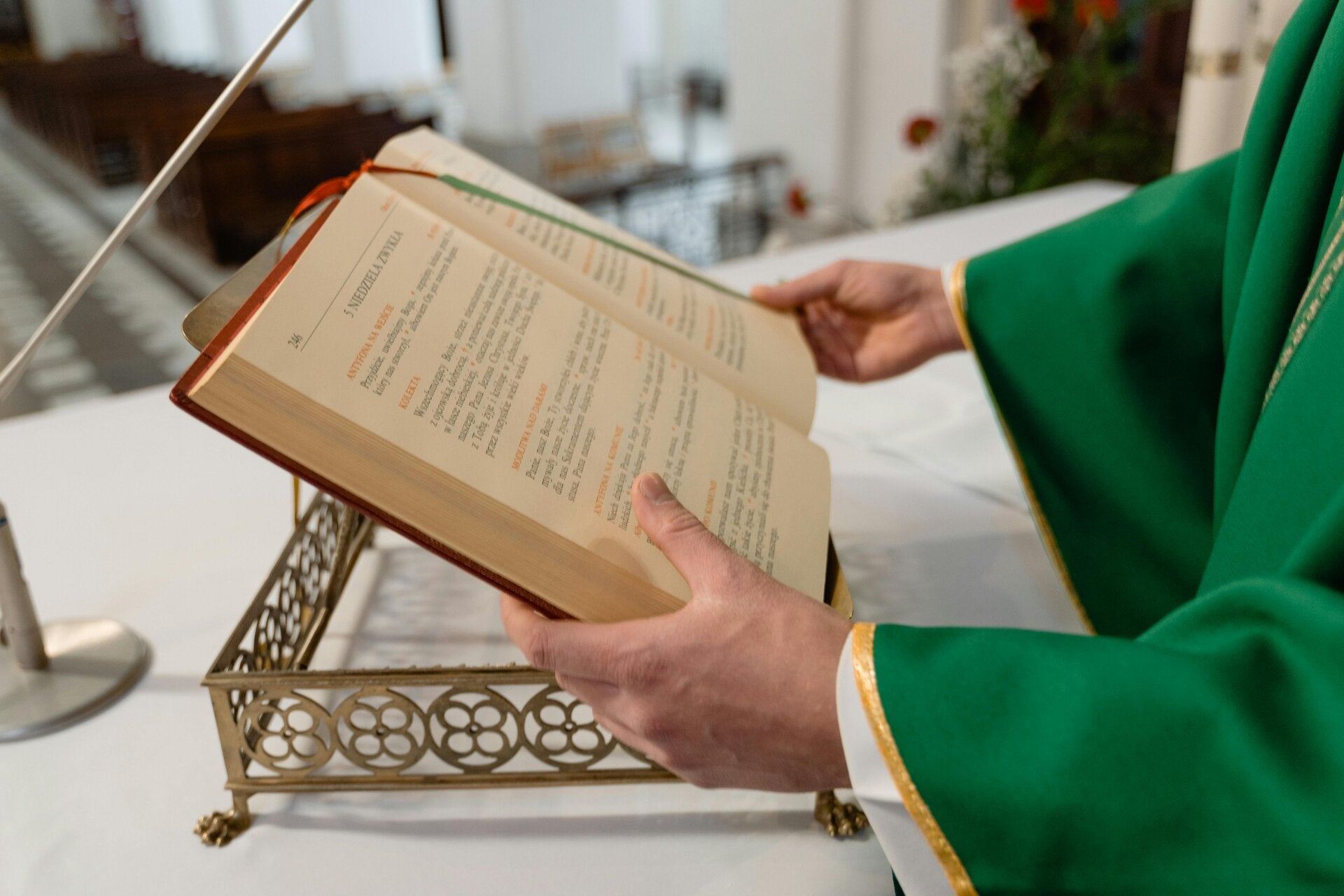
The Missal

Here you may access the Missal and other essential resources to assist in the reverent celebration of the Sacred Mysteries, the ordering of daily offices, and the faithful administration of the Sacraments. These materials are carefully prepared in continuity with the Church’s tradition, ensuring that all who serve at the altar may do so with dignity, uniformity, and devotion for the glory of God and the edification of His people.

Feast Day Calendar

This Feast Day Calendar provides a sacred ordering of the Church’s year, guiding clergy and faithful alike through the rhythm of fasts, festivals, and commemorations that proclaim the mysteries of our redemption. Here you may find the appointed feasts, holy days, and seasons observed within the life of the Church, honoring our Lord, the Blessed Virgin Mary, the Apostles, and the Communion of Saints. Rooted in historic Anglican and Catholic tradition, this calendar serves not only as a schedule, but as a spiritual pilgrimage through time, drawing the faithful ever deeper into the life of Christ and the sanctification of each passing day.

Have a Vocation?

Here are the most frequently asked questions about our Ordination Process

Who possesses the authority to ordain Deacons and Priests in this Church?

The ordinary power to ordain belongs exclusively to the Bishop Ordinary of the Diocese or Jurisdiction in which the candidate holds canonical residence, or to a Bishop expressly delegated by him with the written consent of the Council of Advice (Title III, Canon 1; Title VI, Canon 1). No ordination is valid or licit without canonical mandate. Unauthorized ordinations are null and void ab initio and incur automatic penalties under Title IV-A, Canon 451 §1.


What are the basic prerequisites for a man to become a candidate for Holy Orders?

The candidate must: (a) be a baptized and confirmed male member of this Church in good standing for not less than two years;

(b) be of sound faith, moral character, and free from canonical impediments or irregularities under Title IV-A;

(c) have attained the age of 23 for the Diaconate and 25 for the Priesthood (dispensation possible from the Metropolitan for grave cause);

(d) be free from any censure; and

(e) subscribe to the Declaration Against Simony and the Oath of Loyalty (Title VI, Canons 3 and 4). Married candidates require spousal consent in writing. (Title XIV, Canon 3; Title XVII, Canon 1).

What are the stages of the ordination process?

The process consists of four stages: Postulancy, Candidacy, Theological Formation, and Immediate Preparation. Each stage requires formal written approval by the Bishop Ordinary and the Council of Advice. Progression is not automatic and may be terminated at any stage.

What is the difference between transitional and permanent (vocational) deacons?

Transitional deacons are ordained with intent to proceed to the Priesthood after not less than six months of satisfactory service. Permanent (vocational) deacons are ordained to remain in the diaconate. Both are fully ordained clerics subject to all canons governing clergy (Title IV and Title IV-A).

What are the post-ordination obligations?

The newly ordained cleric is incardinated into the ordaining Diocese, exercises ministry only under the Bishop’s license, and participates in ongoing formation. All clerics remain subject to the disciplinary norms of Title IV and Title IV-A at all times.

What is required for admission to Candidacy?

The candidate approaches his Rector and the Bishop Ordinary. The Bishop appoints a Spiritual Director and requires psychological/medical evaluation, background checks, and interviews. The candidate remains a layman and may not exercise clerical functions except by explicit permission (Title IV-A, Canon 450).Upon satisfactory completion of Postulancy, the Bishop Ordinary, with consent of the Council of Advice, admits the candidate by formal letter. The candidate must then enroll in an approved theological formation program, make the Declaration of Intention, and submit annual progress reports. Candidacy lasts not less than 3 years for the Diaconate (2 years for permanent deacons) and 4 years for the Priesthood.

What theological and canonical formation is required?

Formation must include Sacred Scripture, the Fathers, the Seven Ecumenical Councils (Title II, Canon 3), the authorized liturgical books (Title IX, Canon 3), moral theology, canon law, liturgy, and pastoral care. Before ordination the candidate undergoes a rigorous canonical examination before the Bishop and appointed examiners. Failure may result in delay or dismissal.

What declarations and oaths must a candidate make before ordination?

Publicly, before ordination, the candidate must make and subscribe:

(a) the Oath of Due Obedience to the Bishop Ordinary and his Successors;

(b) the Promise of Loyalty to the Church; and

(c) the Declaration Against Simony (Title VI, Canons 2–4). These are administered during the ordination liturgy.

When and how is ordination conferred?

Ordination occurs only during public worship according to an authorized rite (1928 BCP, 1662 BCP, or English Rite Missal — Title IX, Canon 3). It requires a canonical mandate from the Bishop Ordinary issued with the consent of the Council of Advice. The newly ordained cleric receives a certificate of ordination and faculties

What happens if a candidate or cleric commits a canonical offence during formation or after ordination?

Any grave offence results in immediate suspension of the ordination process or, if already ordained, in the penalties prescribed in Title IV-A, Chapter IV (Offences Committed by Clergy), including possible suspension, removal from office, or dismissal from the clerical state (e.g., Canons 431, 433, 490).

How may a candidate appeal a negative decision?

Any candidate aggrieved by a decision of the Bishop Ordinary or Council of Advice may appeal to the Metropolitan of the Province. The Metropolitan’s decision is final unless a Bishop is involved, in which case appeal lies to the Primate or High Court of the Holy Synod (Title IV, Canon 2).

Can penalties incurred during the process be remitted?

Yes. Any person who incurs a penalty may seek reconciliation and remission according to Title IV-A, Chapter XV (Reconciliation, Remission, and Dispensation of Penalties), subject to the judgment of competent authority after thorough review. Restoration to the process requires consent of the Bishop Ordinary and Council of Advice.